What is a release party?
A release party (or launch night) is a live event built around shipping an album, EP or single: concert, listening session or showcase where audience, press and partners discover the project together. Unlike a bare online drop, it creates a collective moment—first listen, photo-call, social proof—and reusable media (capture, aftermovie) after the night.
Planning your party
A strong release party stacks venue fit, readable programming, targeted invites, capture that feeds socials, coordinated press beats and a post-night follow-up plan. Gniark Gniark, a cultural nonprofit in Paris, helps labels and artists keep that thread without sacrificing the live feeling.
What’s the point of a release party?
It turns an online drop or physical manufacturing into a human milestone—first collective listen, photo-call for fans and press, social proof for playlists and bookers. In crowded Paris calendars, a framed release party delivers a hook (“first listen”, visible guests, bold poster) especially when paired with live recording or an aftermovie recap.
Which format should you pick?
From intimate showcases to full-band concerts—choose based on project density (short single vs album you’ll tour for months) and venue acoustics. A bridged listening party can test reactions; a full live set yields richer stories and better live capture assets.
Hybrid room plus remote stream? rehearse latency and levels before promising a public feed. Align deliverables using the brief outline on album release party Paris—capacity, timings and camera zones should be explicit.
How should you communicate?
Poster aligned with cover art, short named teasers and a prioritized invite list (local press, programmers, resident DJs). Send a light dossier—fresh bio, streaming links, credits and HD visuals—rather than a ten-page PDF when you need fast replies.
Sequence J-14 / J-7 / J-1 with different angles (rehearsal BTS, portrait stills, guest announcements). Name one media wrangler on show night for snappy interviews; pair that role with live capture Paris so footage stays usable within 48 hours.
What content should you produce?
Vertical teasers, backstage and stage photos, horizontal live excerpts, newsletter quotes and walk-and-talk interviews. If you film, schedule poster-friendly wides plus detail shots so feeds don’t reuse one boring angle.
Beyond straight live, a cultural event aftermovie summarizes energy for people who missed it—handy for newsletters and bookers. Keep assets aligned with your release party brief so promo and stage tell one story.
How do you measure success?
Blend qualitative and quantitative signals—actual turnout vs RSVPs, onsite merch or vinyl sales, press mentions, playlist saves, mindful DMs beyond vanity likes. Judge capture quality too: clean audio matters more than a spike on a muddy clip.
At J+3 / J+7 publish an honest recap with a hero photo and named shout-outs—extends momentum without spamming. Want outside eyes on the recap? Message the collective with raw numbers and available snippets.
FAQ
- What is a release party?
- A launch night around a musical release (album, EP or single): the audience discovers the project live via concert, listening party or showcase. It anchors the street date and yields reusable media after the event.
- Does album vs EP vs single change the release party?
- Same backbone (venue, narrative, media) but stage length and storytelling shift—a single hits fast, an album can stretch guests or episodic listens.
- How early should communications start?
- Target three to four weeks for posters, confirmed guests and capture slots; longer if ticketing or hybrid streaming with encoder tests.
- Is ticketing mandatory?
- Not always for intimate formats; it helps size production and guarantee attendance when rooms are tiny or located in dense neighborhoods like northern Paris.
- What’s minimum viable capture for social?
- Clean stereo stems (board mix or room mic) plus two stabilized camera angles already yield reels and a usable horizontal cut—see options on the live capture page.
- How do you reuse assets after the night?
- Cut reels, photo carousels, newsletters and programmer pitches with one narrative order; an aftermovie carries vibe for people who skipped the door.
- Can a nonprofit co-produce with an indie label?
- Yes when roles are written—who owns venue, capture, comms and likeness rights. Gniark Gniark often mediates that charter before show day.
Suggested WebP assets
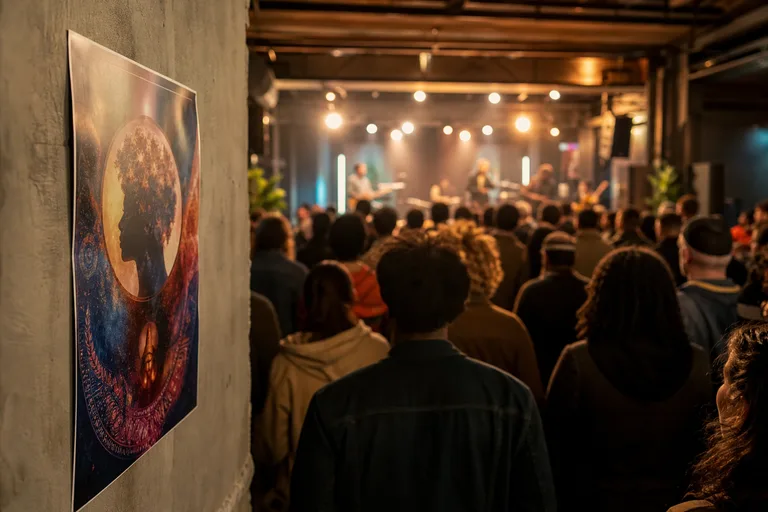
Release party poster and crowd at album launch Paris 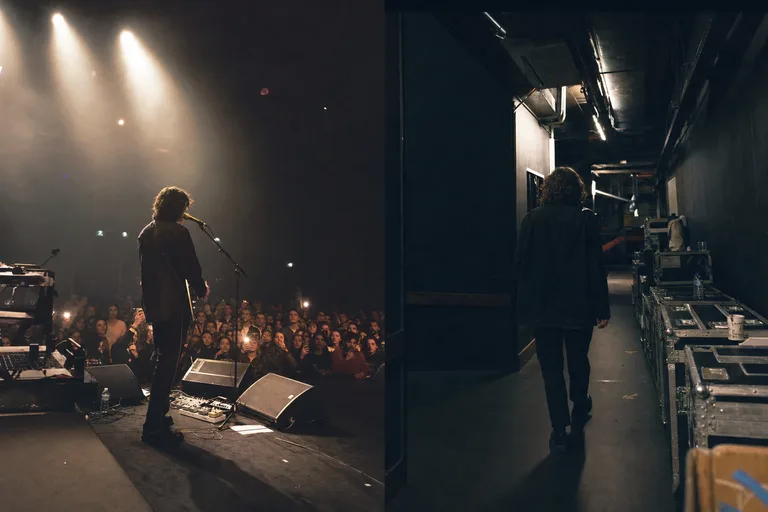
Artist on stage and backstage mood EP launch nonprofit night 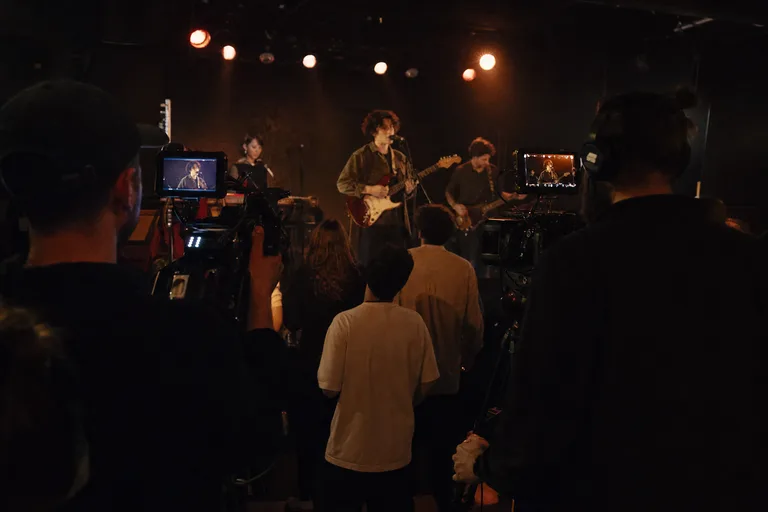
Multicam live capture of release party for social clips 
Gniark Gniark nonprofit team briefing release party Paris
Conclusion
Organizing a successful release party aligns venue, performance and media beats—so albums, EPs or singles leave durable assets beyond one night.
To brief Paris collective: send target date, venue capacity and desired deliverables via the contact page.
From this guide to a full release setupShare your musical project, date window and what you need online after the show—we reply with a realistic nonprofit proposal.Plan a release party